
Likeness and Beyond:
The Underlying Logic of Great Painting
“The kernel of the representational painter’s art lies in his capacity to convince the viewer, rather than in his recording of factual truths.”
ONLINE PORTRAIT PAINTING CLASS
A comprehensive online program for all artists seeking to broaden their understanding of the painting process
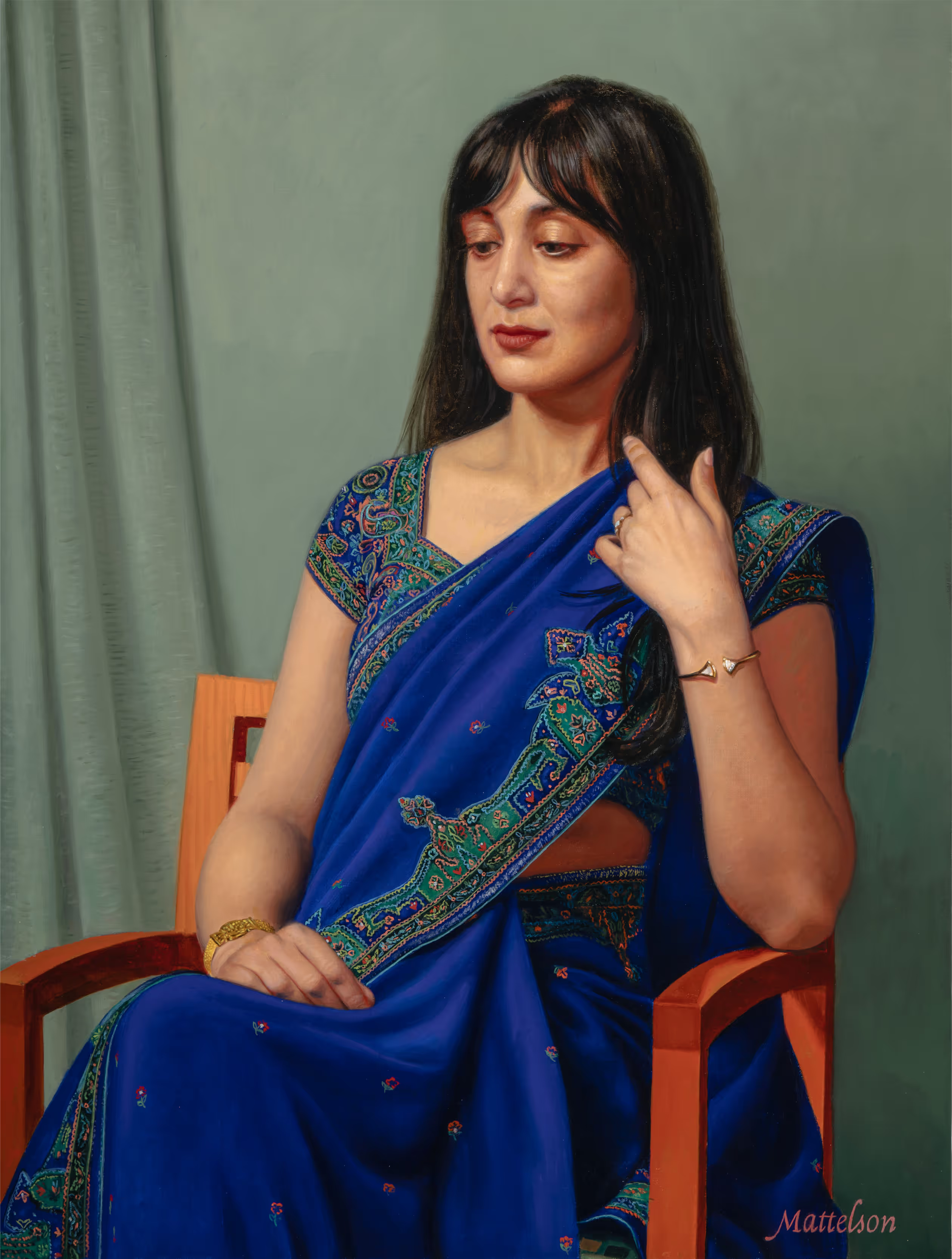
Much of what is presented as “traditional” art instruction is, in fact, myth-information. Too often, what passes for artistic guidance is a mixture of inherited assumptions, vague formulas, partial truths, and habits repeated so often that they begin to masquerade as knowledge.
As a result, many artists become mired in approaches that may feel familiar, but do little to clarify what actually makes a painting work. Instead of deepening understanding, this kind of instruction often fragments it, leaving students with disconnected bits of information and no real grasp of how those parts function together.
Art is far too often taught in one of two unproductive ways: either as something essentially intuitive and mysterious, or as a rigid sequence of procedures that must be followed in order to arrive at a predetermined look. Neither approach leads to a deep understanding of the underlying logic that gives painting its force.
What distinguishes strong painting is not formula, but the harmonious interaction of many interdependent elements. Drawing, value, color, structure, edge handling, composition, and every compositional relationship must work together. When one aspect is deficient, the force of the whole is diminished and the artistic intent is compromised.
This program is designed to bring those underlying principles into clearer focus and to help artists understand not just what to do, but why. Rather than offering another stylistic recipe or another narrow system, it aims to develop a more comprehensive and flexible grasp of the painting process itself.
The result is greater freedom of choice, greater versatility, and a clearer sense of how to build a painting with intelligence and purpose. Whether you are just beginning, or looking to move beyond the limitations of your current approach, this course is meant to open a broader and more intelligent path forward.
If you’re looking for another missing piece, this is not that. This is a fundamental shift in how painting is understood, one that has the potential to transform both your work and your sense of what is possible.
“I owe my success to having listened respectfully to the very best advice, and then going away and doing the exact opposite.”
course details
Program Logistics
Format --
Live online course
Dates --
June 6 - October 3, 2026 (no classes on July 4 or Sept. 5)
Time --
10am-4pm EDT
Location --
Marvin's Virtual Atelier - via Zoom HD
Recording Access --
Each class recording is accessible for 30 days.
Tuition --
$1650.00
Skill Level --
Open to artists of all levels
core Principles
Beyond Formula
Nothing short of a contextual shift will make a significant difference. The solution lies not in a single piece of information, a magic medium, a secretive technique, or a systematic blueprint. The true path forward is deep understanding.
Formulas eliminate choice, and choice is the essence of creativity. When teaching becomes formulaic, students often learn to emulate the teacher rather than to think independently. The purpose of this program is not to produce artistic replicas, but to deepen understanding and expand individual capability.
Marvin Mattelson's virtual studio is an essential part of that process. Students are able to ask questions in real time during demonstrations—something that is often not possible in traditional workshops. Multiple camera angles provide close-up views of brushwork and palette mixing that cannot be seen in a live classroom setting.
Because the reference does not change, students are not constrained by time in the same way they would be with a live model, allowing for deeper engagement with each stage of the process.
Each class is recorded and available for thirty days, giving students the opportunity to revisit the material, clarify their understanding, and continue integrating what they have learned.
The course is structured to move through the process in a logical sequence, allowing each stage—drawing, value, color, and refinement—to build upon the previous one while remaining connected to the larger whole.
examples from the course
In-Class Demonstrations
Being told what to do can be helpful, but far more valuable is seeing each decision unfold in real time and understanding the reasoning behind it. As Marvin demonstrates, he fully elucidates the purpose behind every move, allowing students to see not only what is being done, but most importantly, why.
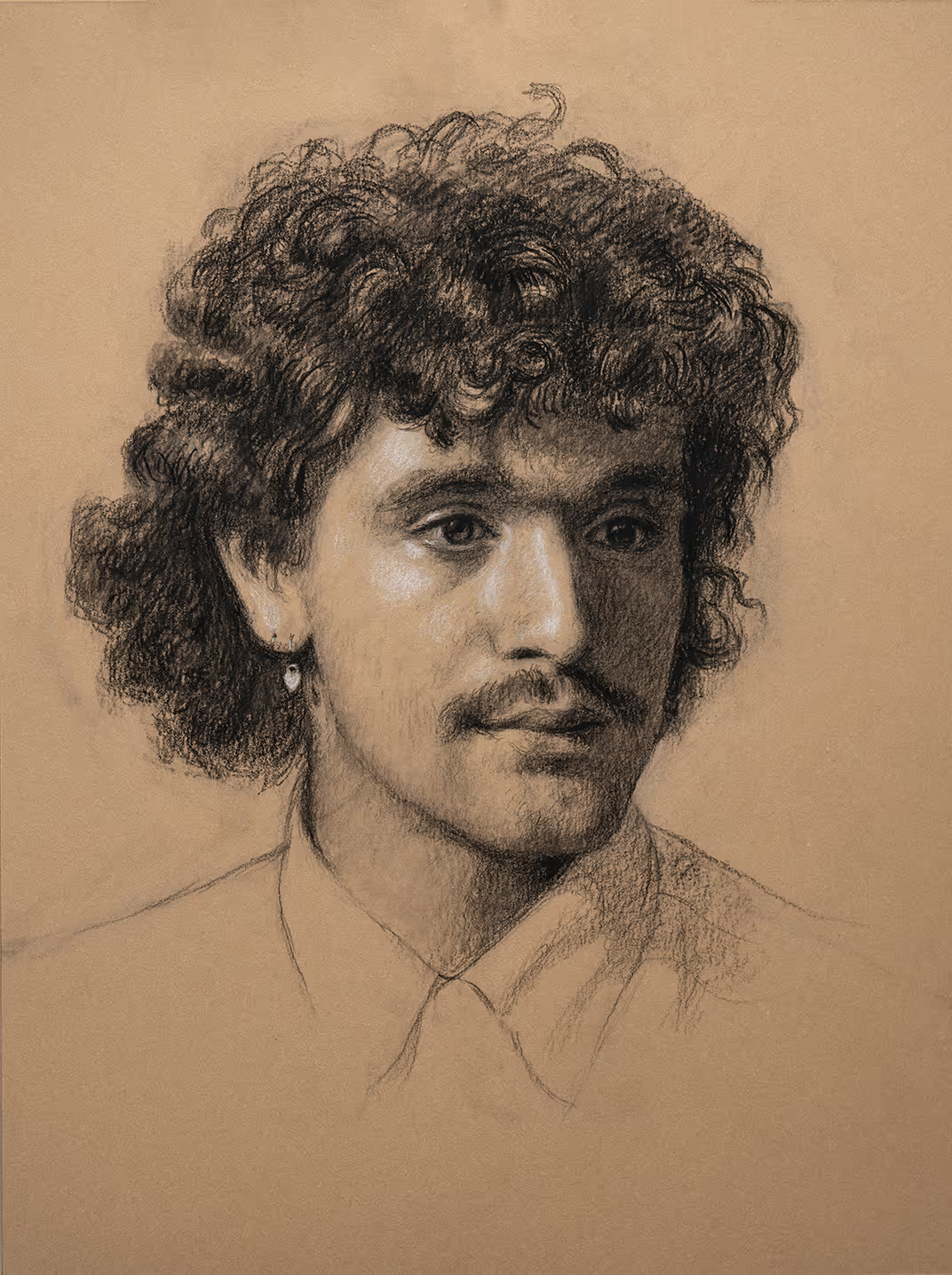
DRAWING DEMO
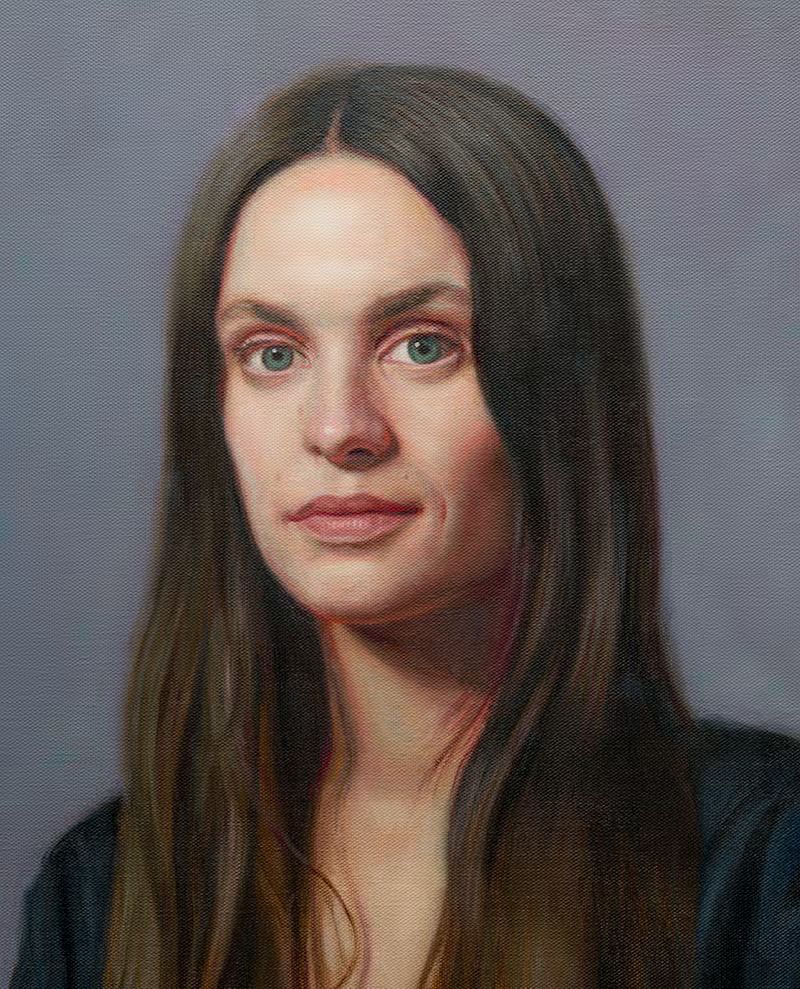
LAYERED PAINTING DEMO
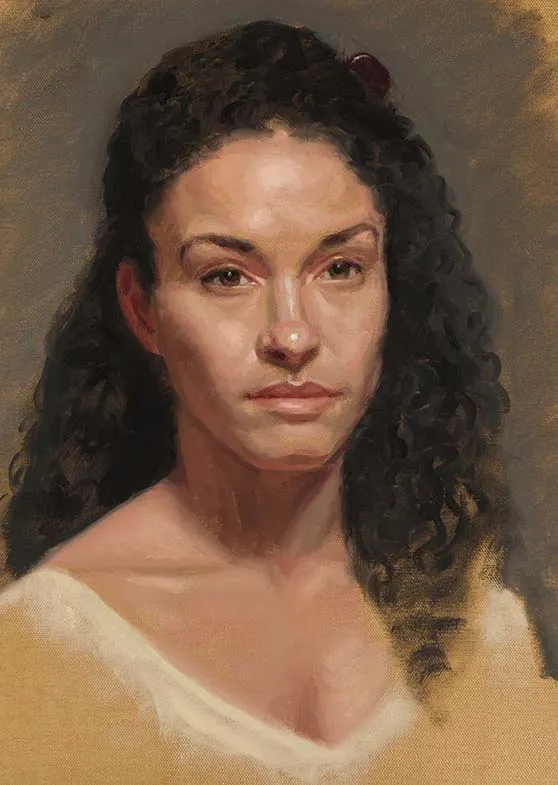
ALLA PRIMA DEMO
These demonstrations are not simply technical displays, but living examples of the course’s central premise: that strong painting is built through the harmonious interaction of many interdependent elements. They allow you to see how drawing, value, color, structure, and refinement unfold in real time, and how each stage of the process remains connected to the larger whole.
The multi-camera setup also allows you to see close-up views and every color mixture on the palette with a level of clarity that is not possible in a live classroom demonstration.
Painting Instruction
What the Program Covers
Without an understanding of the underlying principles, any technical guidance you follow will ultimately be limiting. Each part of the course addresses a specific stage of the process, always in relation to the larger whole. The goal is not fragmented instruction, but integrated understanding.
Clearing Away Falsehoods
Recognize the real obstacles to growth: accumulated falsehoods, inherited habits, and unexamined assumptions. The concepts of myth-information and subjective contamination are introduced to bring these barriers into clearer focus.
Materials and Studio Practice
Understand how materials, tools, and working methods affect the painting process from the outset, and how a thoughtful studio setup can support clarity, control, and continuity throughout each stage.
Planning the Portrait
Understand how lighting, composition, and reference photography allow you to establish the direction of the painting before the process begins.
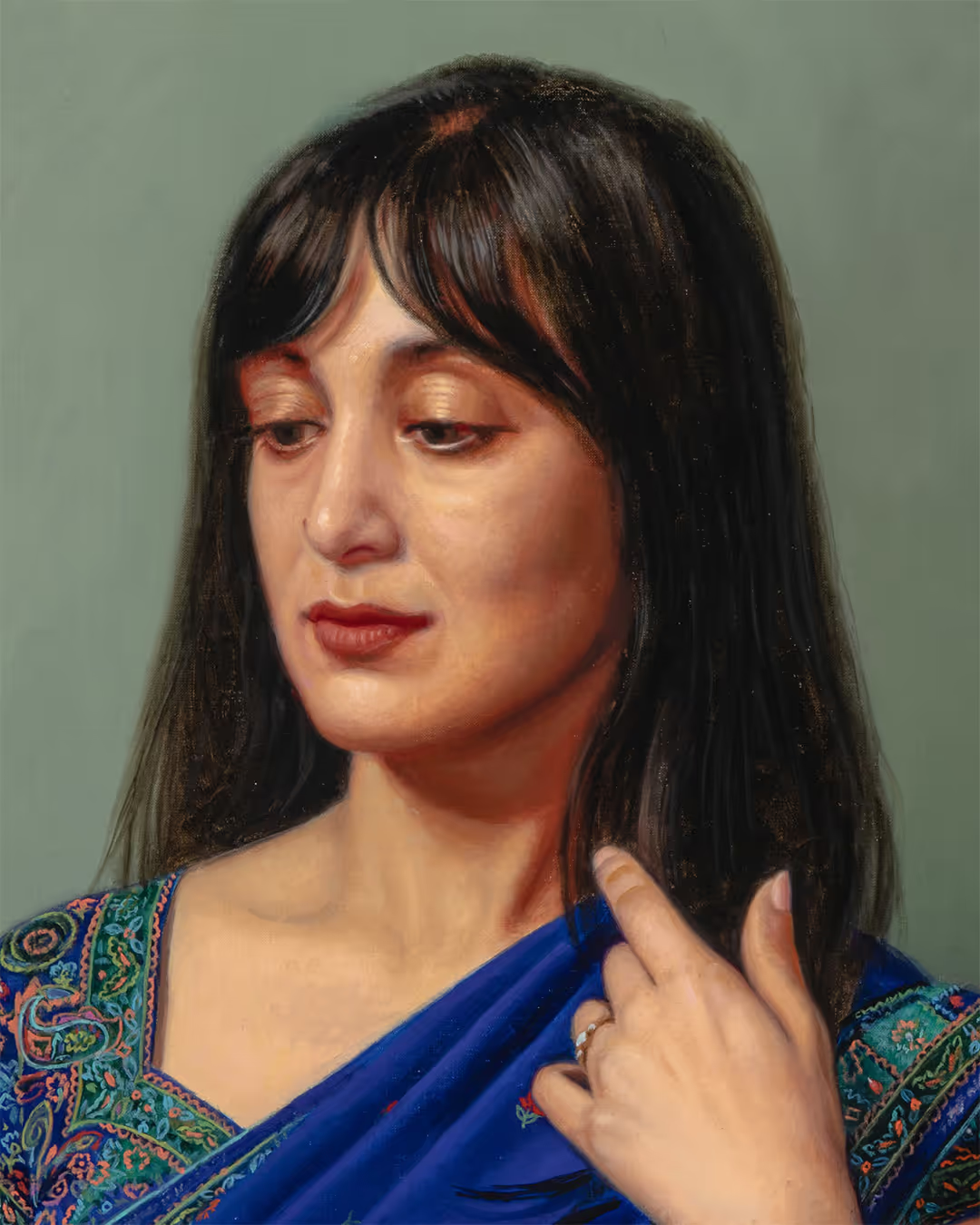
Drawing, Structure and Placement
Build the foundation of the painting through shapes, angles, alignments, and placement.
Indirect / Layered painting
Develop a structured approach to building the painting progressively in stages, allowing you to fully understand each critical aspect.
Underpainting / Wash-In
Use your drawing as the foundation for establishing a value structure that becomes the armature of the painting.
Color Analysis
Gain a more analytical and efficient approach to color, free from guesswork, recipes, or complicated formulas.
Color Lay-In
While maintaining the underpainting’s value structure, establish basic color relationships.
Virtual Museum Tour
Explore the shared strategic mindset underlying the work of the greatest representational painters in history. Once you learn to understand them inwardly, there is no need to copy them outwardly.
Refinement and Progressive Correction
Understand how to refine your painting once the color has been blocked in. Each adjustment you make can trigger further changes in hue, intensity, value, or edge handling until your desired effect is achieved.
Image Transformation and the Illusion of Life
Discover how subtle strategic alterations can transform your image from mere representation into something more lifelike and convincing.
Direct Painting / Alla Prima
Once you understand indirect or layered painting, you can approach alla prima with far greater clarity. Learn how to bring drawing, value, color, and paint handling together simultaneously.
Live feedback
Ongoing Critique and Integration
Refine your understanding through ongoing feedback, discussion, and application.
Throughout the course, you will have dedicated opportunities to present work in progress, receive feedback, and engage in ongoing evaluation. Critique and integration are not treated as an isolated final step, but as a continuous part of the learning process.


